The short answer
Only re-approach candidates you had a substantive conversation with, verify whether re-contact was agreed upon, ask one focused current question, and assign a single owner for follow-up. Also check that current processing and contact fit the arrangements you have recorded.
Bring one vacancy. In 30 minutes, we discuss where your recruitment is getting stuck, which approach could fit and your recruitment fee.
Select relevant earlier conversations
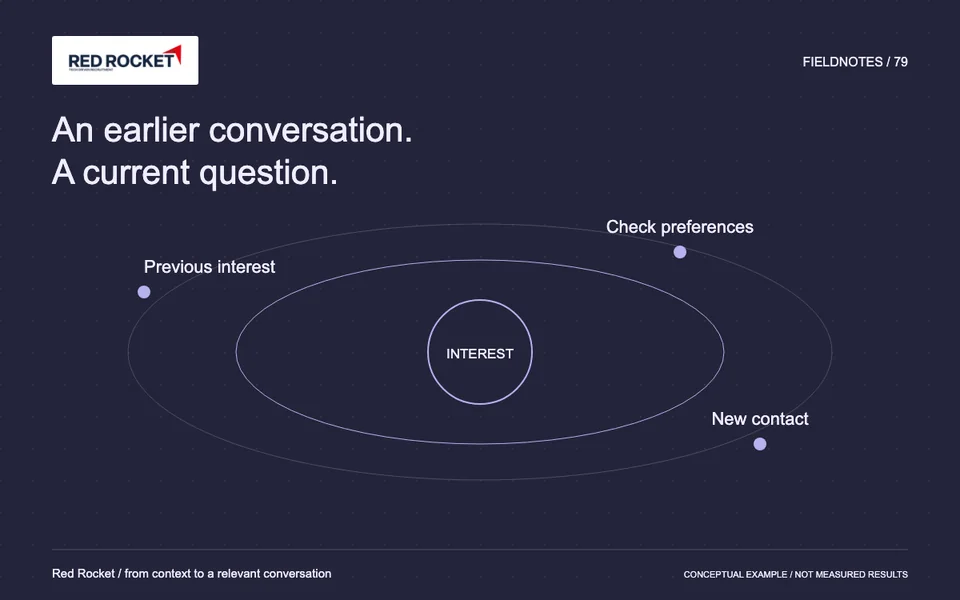
Not everyone who ever applied is a good fit for a new vacancy. Start by selecting, not exporting. Which conversations were substantive enough to revisit? Think of candidates who fell through on timing, salary or one specific requirement – not everyone who ever filled in a form.
Select against the new role criteria and check that you may still use the information for this purpose. A focused list helps explain the contact decision, but its size does not predict results. Do not retain or export records merely because they might be useful later.
Check current contact agreements
Before reaching out, one question matters: was re-contact discussed at the time? That depends on your specific situation and documentation. If you don't know, caution is the sensible default.
Don't claim a blanket legal basis like 'legitimate interest' without having it assessed. What you can do: check what's in the file, align internally on who manages this, and seek legal advice when in doubt. No assumptions, no shortcuts.
UWV research among active jobseekers (August/September 2025) shows that easy contact with employers is appreciated – but that research is not representative of all latent technical professionals. Use it as a signal, not as proof.
Ask one focused, current question
The mistake many employers make: they send a full job description and expect enthusiasm. Previous candidates deserve a more personal approach. Start with a focused question about the current situation.
Ask what has changed for them. Are they still looking? Is their situation different from a year ago? That gives you useful information without overwhelming the other person. Record the response under your organisation’s arrangements. Check which support your system provides for this route and decide who follows up personally.
Explain why you are getting in touch and allow room for a refusal or changed preferences.
Fictional example: a project manager for an installation company
Imagine: an installation company in the region was looking for a mechanical project manager six months ago. One candidate fell through because he was mid-project and couldn't start. No match on timing – but a strong match on content.
Now there's a similar vacancy. The recruiter checks the file: the agreed retention period and permission for this contact are still valid. One message goes out – not a job description, but a short question about whether the situation has changed. The candidate responds positively. A conversation follows.
This is a fictional process, not a measured advantage over a campaign.
Agree on ownership and follow-up
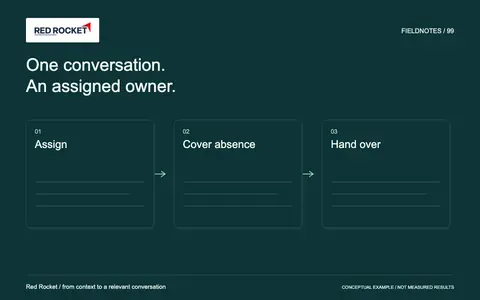
A talent pool without an owner is not a pool – it's a list that slowly goes stale. Assign one person responsible for follow-up: who contacts whom, when, and what happens with the outcome?
Red Rocket combines campaigns, the AI recruiter, organisational context and the Cockpit to keep this process manageable. But the personal assessment and follow-up remain with you as the employer. Technology supports – it doesn't replace the conversation.
Want to know how referral recruitment and previous candidates can reinforce each other? Read the practical interview at uwv.nl on the benefits of referral recruitment (12 March 2025). Discuss your specific vacancy directly: Discuss your vacancy.
Frequently asked questions
How long can you retain candidate data for a talent pool?
The AP describes deletion within four weeks after the procedure as usual for unsuccessful applicants. Candidates can consent to longer retention; the AP considers up to one year reasonable. Check the arrangements, purposes and any other obligations that apply to your situation.
Do you need consent before re-approaching a previous candidate?
That depends on the situation. Consent is not always the only possible legal basis, but it's also not automatically present. Check what's in the file and seek advice when in doubt. No assumptions, no shortcuts.
What does Red Rocket do differently from approaching previous candidates yourself?
Red Rocket combines a targeted campaign, the AI recruiter and organisational context to reach relevant candidates – including people who aren't actively looking. The insights from those conversations land in the Cockpit, so you as the employer can enter the conversation well-informed and make the final assessment yourself.